
Home Lockouts in Boston
Getting back into a locked house or apartment, starting with the gentlest method that works on your lock.
Locked Out of a House or Apartment
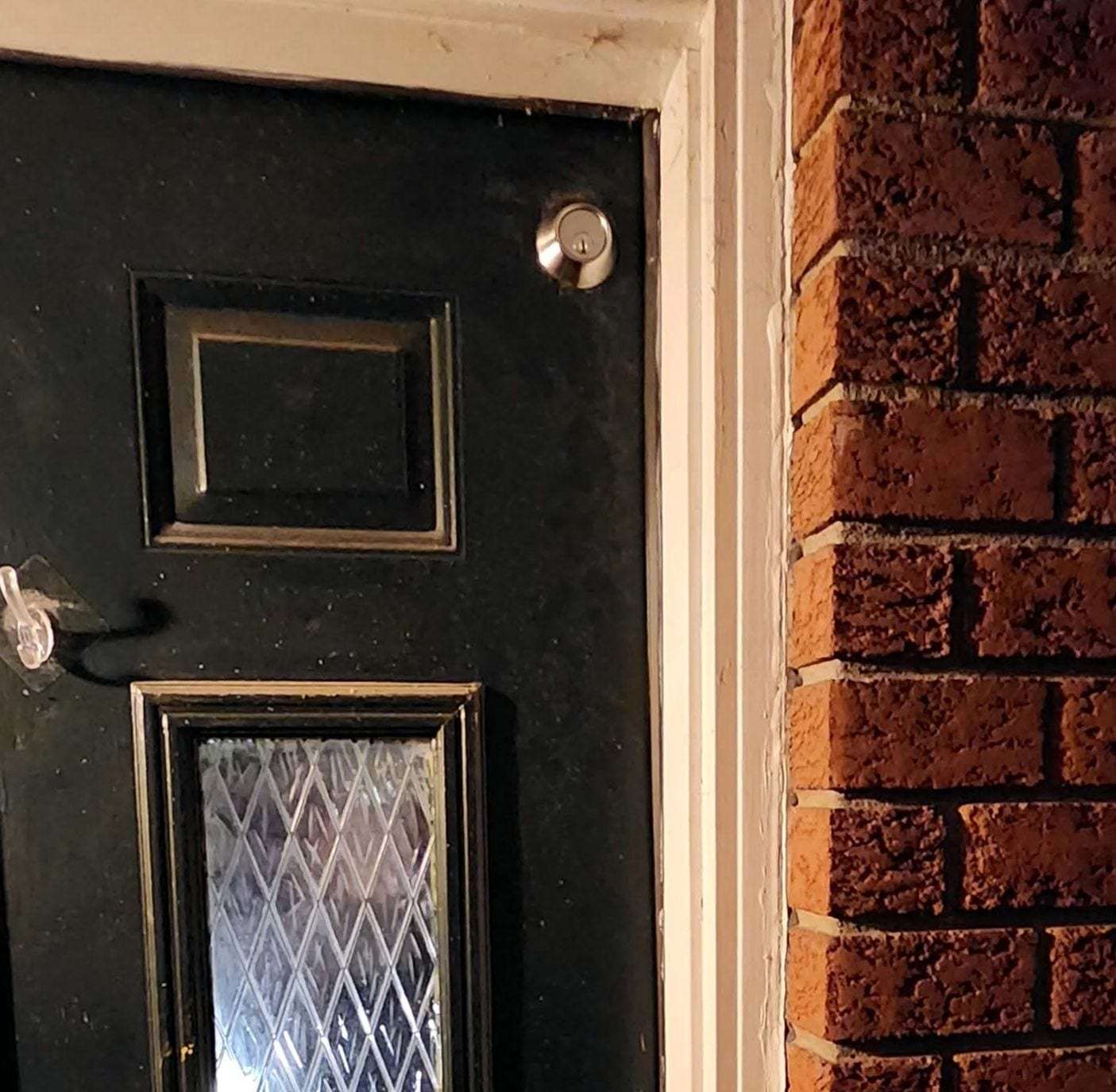
A lockout call is for getting through your own door when the key cannot do it, and that covers more than keys left on the kitchen counter. It is the right call when:
- The keys are inside and the door has locked behind you.
- A key has snapped off in the lock, with part of it still in the cylinder.
- The key goes in but will not turn, or turns without moving the bolt.
- Your keys are lost or stolen and nobody nearby has a spare.
- A side or back door swung shut while you were out on the porch or the stairs.
Before you call, think of anyone who holds a spare. A relative, a neighbor or, if you rent, the landlord or building manager may be the simplest way back in.
What You Will Be Asked on the Phone
If a child or a pet is locked inside, or anyone is in danger, call 911 first.
A lockout call is short. Expect to be asked:
- Where you are: the street address, and which entrance, such as the building’s front door, your apartment door or a back door.
- What kind of lock is holding the door shut: a knob that locked by itself, a deadbolt locked with a key, or both.
- Whether a key is broken off in the lock.
- Whether anyone inside needs help, such as a child, an older relative or a pet.
- A phone number that will reach you while you wait, and the name to ask for.
Waiting for the Locksmith
A few things make the wait easier and safer:
- Wait somewhere safe where you can see the door or the street. In cold or wet weather, a car, a neighbor’s hallway or a nearby shop is better than the front steps.
- Keep your phone on, with the ringer up, so the locksmith can reach you.
- Try any other door you can reach safely, but do not climb to a window or break glass to get in.
- Find something that shows your address, such as a photo ID, a lease or a bill on your phone, or a piece of mail in the car.
How a Locksmith Opens a Locked Door
Most house and apartment locks can be opened without breaking anything. A locksmith will usually start with the least forceful method that suits the lock: picking the cylinder, which moves its pins into line the way the key would, or working the latch, the knob or the thumb turn with thin bypass tools slipped past the edge of the door or under it. Done carefully, these methods usually leave the door, the frame and the lock just as they were.
Some locks resist. A high-security cylinder is built to resist picking, a worn or damaged cylinder may not respond the way a sound one does, and a key broken deep in the keyway has to come out before anything else can go in. Then the locksmith may try a different door, or draw out the broken piece first. Drilling comes last: it destroys the cylinder, so the door cannot be locked again until a new cylinder or a new lock is fitted.
Once the door is open, the rest of the visit follows How We Work, as any other job does.
What Happens to the Door and the Lock
Will the door or lock be damaged when I am let in?
Usually not, but nobody can honestly promise it. Picking and bypass tools are tried first because they are the gentlest ways in, and on most ordinary locks they work.
When a lock will not give way to them, drilling is the fallback, and it ruins the cylinder: you will need a new cylinder or a new lock before the door locks again. It is fair to ask, before the work starts, which method the locksmith expects to use and what happens if it fails.
What if a key has broken off in the lock?
Leave the broken piece where it is. Pushing another key in, or digging at it with a pin or glue, tends to drive it deeper or jam the pins. A locksmith draws it out with thin extractor tools and opens the lock, and a new key can then be cut to match, either from the two halves or from the lock itself.
Will I need to show that I live there?
Expect to be asked. Locksmiths generally want something that ties you to the address, before or just after the door opens: a photo ID showing the address, a lease, a utility bill, or a landlord or neighbor who can vouch for you. It can feel like a nuisance on your own doorstep, but it is the same check that keeps a stranger from being let into your home.
Should the locks be rekeyed after a lockout?
Only if the keys are out of your control. Keys locked inside are still yours once you are in. Lost or stolen keys are another matter, especially if they were with something that shows your address, and a rekey makes them useless.
Back Doors and Side Doors
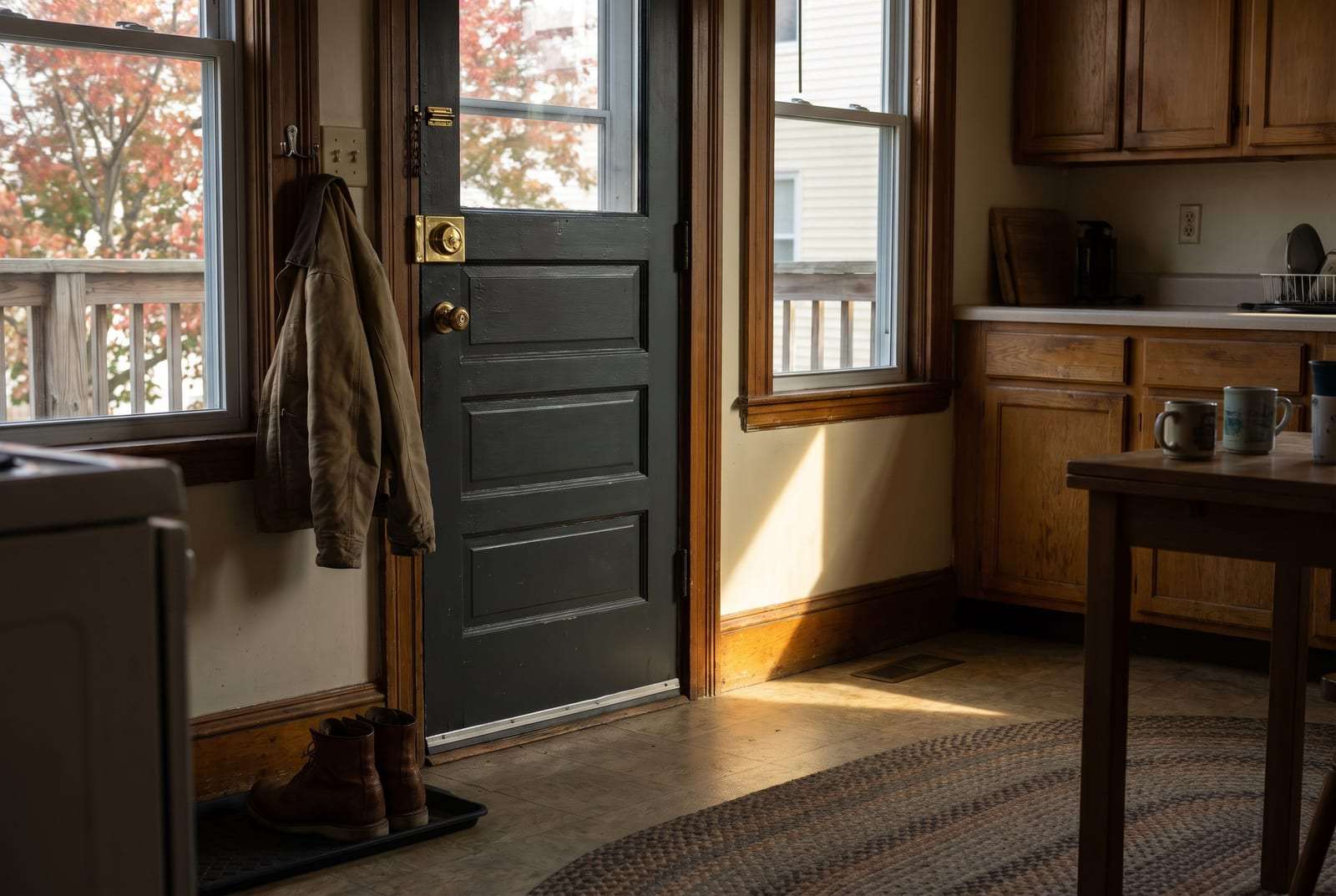
Back and side doors catch people out in their own way. You step out with the trash or onto the porch, and a knob that was set to lock pulls shut behind you. In a triple-decker the back door often opens onto the rear stairs and porches, so you may be a floor or two up, with the front door locked as well.
Mention every locked door when you call, not only the one you came out of. When a home has more than one, a locksmith will usually look at each and open the one whose lock gives the least trouble; a door held only by a spring latch is often simpler to open than one with a deadbolt thrown. Once you are inside, the rest can be unlocked from there.
If the same door keeps locking people out, look at the knob. A knob locked from the inside stays locked when the door swings shut, so the next person out is caught too. Trading it for a knob that does not lock, with a deadbolt that has to be locked on purpose, is a small installation job.
Standing Outside a Locked Door?
For a lockout, call rather than write. An estimate request suits work that can be planned, such as a rekey or a new deadbolt.