
Locksmith Services in Boston
Five kinds of lock work for Boston homes, rentals and small businesses, and how to tell which one your door needs.
We work for homeowners, renters, landlords and property managers across Boston, and for the small shops and offices on the ground floors of the city’s brick blocks. What they call about comes down to five services, and the plainest way to tell them apart is by what each one leaves on the door and what it changes.
A lockout gets you through a locked door, ideally leaving the lock just as it was. A rekey keeps the lock and changes the keys. A repair keeps the lock and fixes what has worn inside it, while a replacement takes it out and fits a new one. An installation puts a lock where there was none, or a different kind of lock where the old one stood. Key copies leave the door alone and add a key that fits what is already there.
Matching a Lock Problem to a Service
Lock trouble usually starts in one of a few ways: you cannot get in, you are not sure who else can, the lock has stopped working the way it should, or the door needs a lock it does not have.
-
Home Lockouts
Getting you back into a locked house or apartment, with picking or bypass tools tried before anything more forceful.
Signs you need it: the keys are inside, a key has snapped off in the lock, or a back door swung shut behind you.
-
Lock Rekeying
New pins in the locks you have, so old keys stop working and new ones do.
Signs you need it: you just moved in, a set of keys has gone missing, or a former tenant still has one.
-
Lock Repair and Replacement
Sticking keys, loose knobs and worn deadbolts, fixed or swapped for new hardware.
Signs you need it: the key sticks or spins, the knob wobbles, or the bolt drags before it locks.
-
Deadbolt and Lock Installation
Deadbolts, knobs, levers and keypad locks fitted to doors that need them.
Signs you need it: a door held only by a knob lock, a new door with no hardware yet, or a wish for a keypad.
-
Key Copies and Replacement Keys
Spare keys cut to match, and worn or lost keys replaced.
Signs you need it: one key left, a key that turns only after some jiggling, or someone new in the household.
What Each Service Changes on the Door
Two services can sound alike and leave a door in very different shape. A rekey and a replacement both stop old keys from working, for instance, but only the replacement takes the lock off the door.
| Service | Best when | What stays the same on your door | What changes |
|---|---|---|---|
| Home Lockouts | You are outside and the key is inside, lost or broken off in the lock | Usually the door, the frame and the lock, when the lock can be picked or bypassed | Nothing, unless the lock has to be drilled; then the cylinder is replaced |
| Lock Rekeying | Keys are out of your control after a move, a lost set or a former tenant | The lock, its finish and the holes it sits in | The pins inside the cylinder, and the keys that turn it |
| Lock Repair and Replacement | The key sticks, the knob is loose, or the bolt will not latch cleanly | The door, and after a repair the lock itself | Worn parts, or the whole lock when it is past fixing |
| Deadbolt and Lock Installation | A door has no deadbolt, a new door needs hardware, or you want a keypad lock | The door, and its existing holes when the new lock fits them | A new lock, with new holes or a new strike where the door has none for it |
| Key Copies and Replacement Keys | You are down to one key, a key is worn, or someone new needs one | The lock and every key already in use | The number of keys that open the door |
Rekeying, Repairing and Replacing a Lock
What is the difference between rekeying, repairing and replacing a lock?
Rekeying changes the keys and keeps the lock. The small pins inside the cylinder are swapped for a new set, so the old keys stop turning it and new ones take over. It suits a lock that works well, when the only problem is who holds a key.
Repairing keeps the lock too, but fixes what has worn or broken inside it: a tired spring, a loose spindle, a latch that no longer catches. Replacing takes the old lock out and fits a new one, which is the answer when the housing is cracked, the parts are worn past fixing, or you want a stronger or different lock.
Neither a rekey nor a new lock helps when the fault lies in the door rather than the lock, which is a question for lock repair.
Is a rekey always the smaller job?
Usually, because the lock stays on the door and only the pins and keys change. It stops being the smaller job when the lock is worn enough to need parts anyway, or when the locks you want on one key take different key blanks; then new cylinders or new locks can be the simpler route.
When You Cannot Tell What Is Wrong
A problem does not always say which service it needs. A key that turns stiffly might be a worn key, a dirty cylinder or a bolt rubbing on its strike plate, and each of those points somewhere different. Matching what you notice to the signs and symptoms of a failing lock usually narrows it down.
If it is still unclear, call anyway. You do not need the name of the service to ask for help, and a lock that is hard to describe is often easy to judge once someone has it in front of them.
Locks for Shops, Offices and Rental Buildings
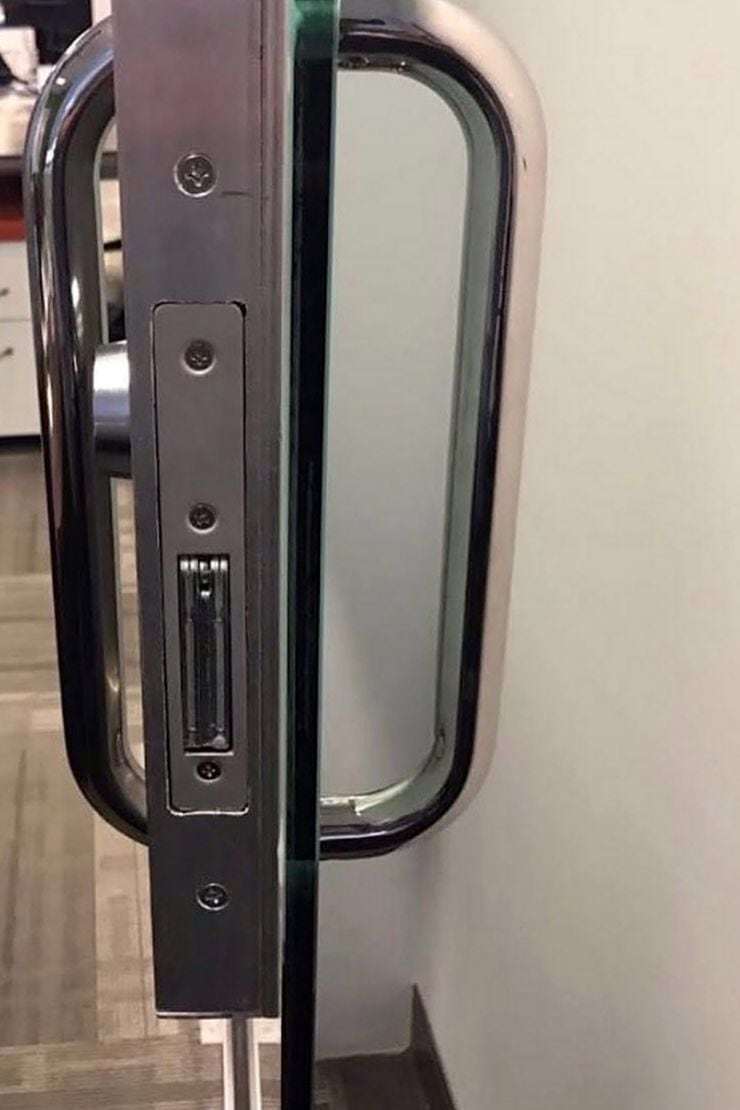
Shops, offices and rental buildings bring more doors, more keys and more people coming and going. A glass office door or a storeroom lock takes harder use than most locks at home, and a rental apartment changes hands each time a lease ends.
The work for businesses and landlords draws on the same five services, in a few particular forms:
- Commercial lock installation for storefronts and offices, including high-security cylinders for back doors and storerooms.
- Master key systems for a business with several doors and several people who need to open them.
- Panic bar and exit device repair on doors that have to open with a push from inside.
- Lock changes between tenants, so the last tenant’s keys stop working.
- Duplicate keys cut to match for each new tenant and for the owner’s own set.
Not Sure Which Service to Ask For?
A short call is usually enough to work out which service your door needs. For planned work, such as new locks for a shop or keys for a new tenant, an estimate request lets you send the details first.