
How We Work on a Lock Call
What a typical locksmith job involves, from the first phone call to the last key tried in the door.
The Usual Order of a Lock Job
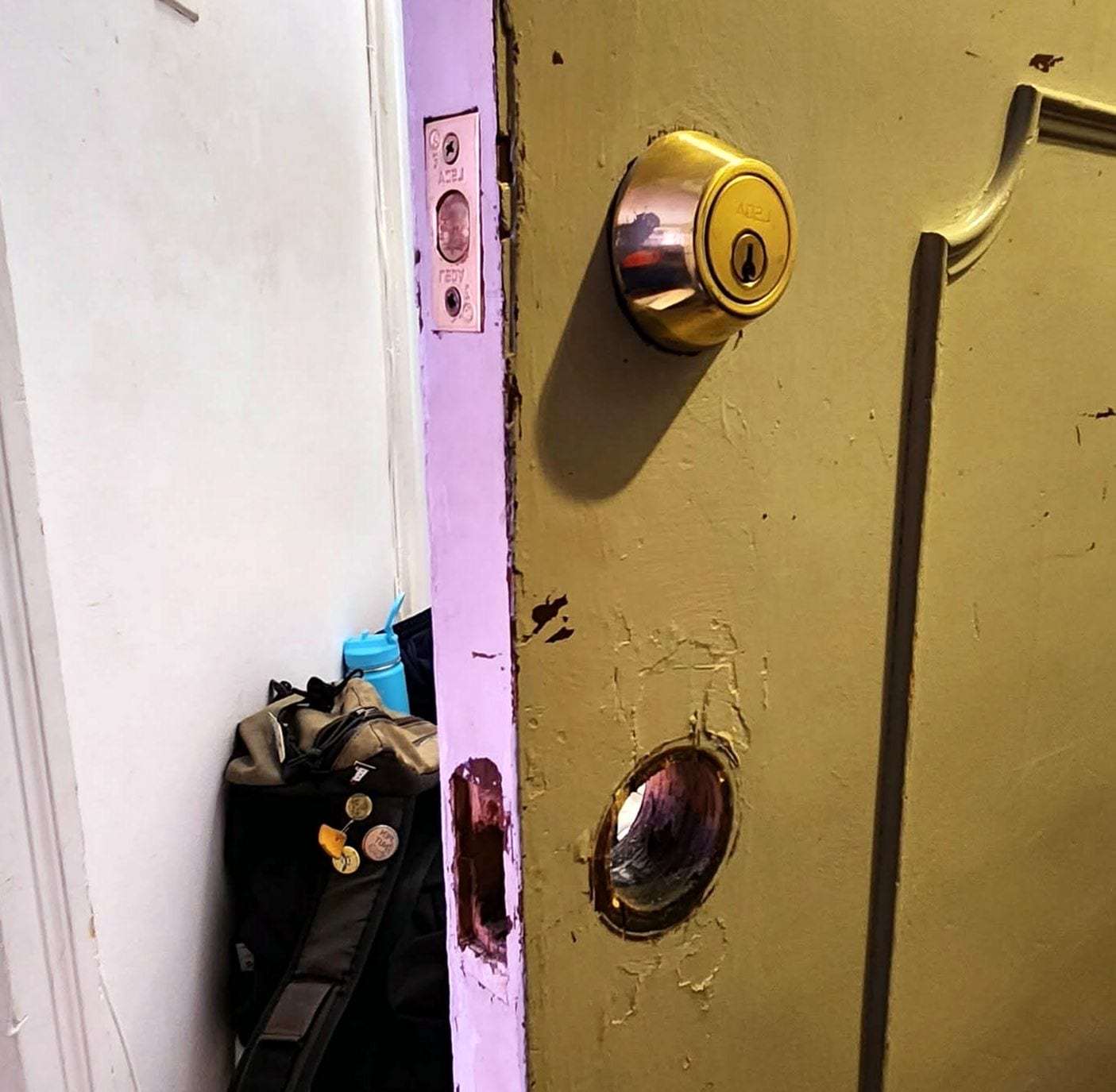
Most lock jobs follow the same order, whether the call is about a lockout, a rekey after a move or a deadbolt that has finally worn out. The door, the building and the hardware change from one job to the next; the order of the work does not.
A lockout moves through the early steps faster than a new deadbolt does, but a typical job runs like this:
- The call. You say which door it is, what kind of building it is in and what the lock is doing. A few questions sort out whether the trouble is a lockout, a key that no longer works or hardware that has worn out, and that decides which tools and parts come along.
- A look at the door, the frame and the lock. At the door, the lock is checked in place before anything is taken apart: how the key turns, how the bolt meets the strike plate on the frame, and whether the door sits square in its opening. The door, the frame and the lock are looked at together before anything is replaced, so the repair, if one is needed, goes where the fault is.
- The choices. Most lock problems can be solved more than one way: rekey the lock or replace it, repair an old deadbolt or fit a new one, adjust the strike or change the hardware. Each choice is explained, with what it changes and what it leaves alone, and the decision is yours.
- The work. On a rekey, the cylinder comes out, its pins are changed to suit a new key, and it goes back in, with the rest of the hardware left where it was. A replacement takes the old lock off and fits the new one to the door’s existing bore and backset where it can. On a lockout, picking or a bypass tool is usually tried first; drilling is a last resort, and it means a new cylinder afterward.
- The keys tried. Before the job is finished, each key is tried in each lock it should open, with the door open and again with it closed, so you can see the bolt throw all the way into the strike. Old keys that should no longer work are tried too, and then the new keys are handed over.
Before the Locksmith Arrives
Jeffrey Kelly, the manager of Neponset Locksmith, asks for four things before a visit:
- Say what the lock is doing. Jeffrey asks whether the key sticks, spins or will not go in at all. Each one points to a different fault, so the answer shapes what he brings.
- Send photos ahead. Photos of the door and the lock, sent before the visit to office@neponsetlocksmith.com, help him bring the right parts.
- Clear the way to the door. With nothing in the way, the work can start without moving boxes or furniture first.
- Ask questions before the visit. They are always welcome, whether they are about the lock, the door or the visit itself.
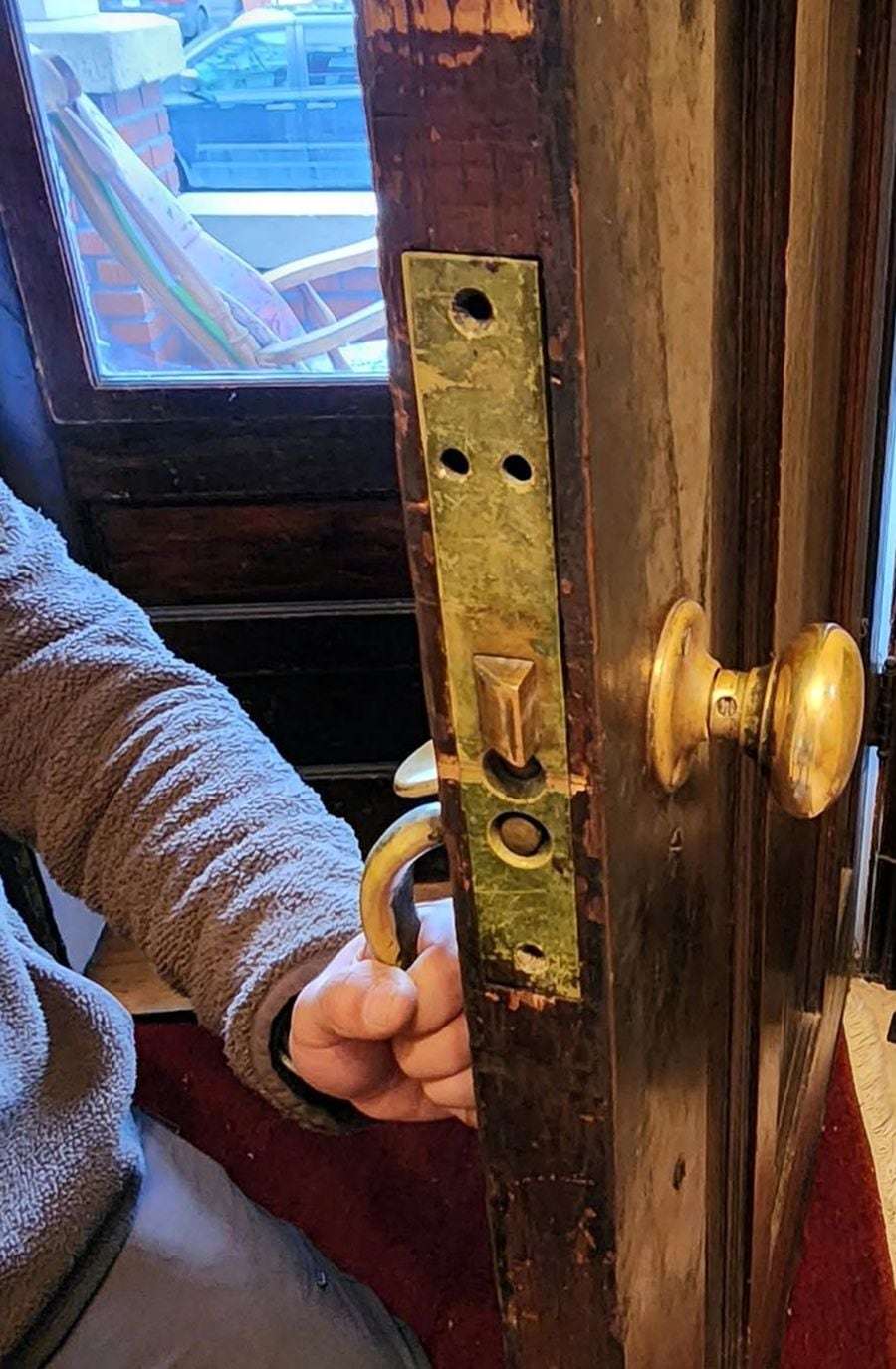
A few other things help, depending on the job. Count the doors involved: a rekey covers every lock that should take the new key, so it matters whether that means the front door alone or the back door and the basement door as well. Gather the keys you have, spares included, so they can be tried, matched or retired.
On a lockout, expect to be asked for proof that you live at the address.
It also helps to note the lock’s brand. The maker’s name is often stamped on the head of the key, on the face of the lock or on the faceplate along the edge of the door. On an old mortise lock it may have worn away long ago, and a clear photo of the faceplate does the same job.
None of it has to be perfect: each thing that is ready is one less to sort out at the door.
Your Visit Checklist
Mark each item that is already done, then press Check My List.
Being Home for the Work
Do I need to be home during the work?
Usually, yes, or someone who can speak for the door should be. On a lockout, the person who needs to get in has to be there to show they live at the address.
For a rekey or a new lock, someone has to be on hand at the end to try the new keys and take them. In an apartment between tenants, that can be the landlord or the property manager rather than a tenant, and in a shop or an office, whoever holds the keys for the business.
Should I take the old lock off before the visit?
No. Leave it on the door as it is, even if it is loose or broken. A lock in place shows how the bolt meets the strike and how the door sits in its frame, which a lock in a bag cannot show, and the old hardware helps match the new.
Start with a Phone Call
A job begins with a call about the door and what its lock is doing, or with a few lines sent through Get an Estimate.