
Seasonal Lock Care in Boston
What each season does to locks, keys and the doors they sit in, and the small checks that keep them working.
A lock is a small machine set into a door that moves with the weather. In a city with cold winters and humid summers, that movement tends to show up at the lock first: a key that will not turn on a frozen morning, or a bolt that has to be forced on a sticky afternoon.
Winter: Frozen Cylinders and Salted Steps
A lock freezes when water gets into the keyway and turns to ice around the pins inside. It happens most often after a thaw or a spell of freezing rain, when meltwater runs into an outdoor cylinder and the temperature drops again overnight. The key goes in partway, or goes in and will not turn.
Never pour hot water on a frozen lock. It may loosen the key for a minute, but the water runs deeper into the lock and freezes there, often worse than before. A de-icer made for locks, sprayed into the keyway, melts the ice without leaving more water behind, and warming the key in your hand before each try helps as well. Do not force a key that will not turn: frozen pins can bend it or snap it off in the cylinder, and a broken key is a harder problem than a frozen one.
Once the lock works again, a puff of dry graphite or a dry lubricant made for locks helps keep moisture from settling on the pins. Oil and household sprays do the opposite in the cold: they thicken, hold on to grit and leave the lock stiffer as the winter goes on.
Salt and sand keep steps safe, but they travel on boots, gloves and keys, and some of it ends up on the hardware. Wipe the knob, the face of the deadbolt and the threshold now and then, since salt left to sit pits the finish and works into the moving parts. Indoors, dry heat shrinks wooden doors a little, so a latch that caught easily in the fall may now rattle in its strike or miss it.
A key that has started to bend or crack in the cold is worth retiring before it breaks in the lock. Have a copy cut from a sound key rather than the damaged one, because a copy can only be as good as the key it is cut from.
Spring: Damp Doors and Winter Grit
Spring brings the damp back. Wooden doors and frames that dried out over the heating season take on moisture again, and the door that rattled all winter begins to tighten in its frame. Usually the change is small, but on an older door, or one already a little out of square, it can be enough to make the deadbolt drag.
A deadbolt should slide into the strike without anyone pushing, pulling or lifting the door. If it throws only when you lean on the door, the bolt is rubbing on the strike plate, and the fix is usually at the strike or the hinges: hinge screws that have worked loose, or a strike that needs adjusting so the bolt clears it. Forcing the bolt every day wears it and the cylinder behind it.
Spring is also the time to clean up after winter. Wipe away the last of the salt on outdoor hardware and thresholds, puff a little dry lubricant into keyways that took in grit, and try every lock in the house, including the ones nobody touched all winter: the back door, the basement door, a storm door that has stayed shut since the first snow.
If a lock still feels rough after cleaning, or a key has to be jiggled before it turns, the trouble is wear rather than weather, and it will not improve as the days get warmer.
Summer: Swollen Doors and Moving Season
Humidity is the summer trouble. Wooden doors swell, and a latch or deadbolt that only just reached its strike in spring now binds against it. The signs are a door you have to push to latch, a key that turns only when you pull the door toward you, and a bolt that stops short of its full throw.
Warm weather changes habits, too. Doors stay open, people come and go with their arms full, and a spare key under the mat or in a planter gets used more than usual. Hidden keys near a door are rarely as hidden as they seem; a spare left with a neighbor you trust is the safer habit.
Late summer is moving season in Boston, when leases turn over and a large part of the city seems to change apartments in the same few weeks. Every move leaves keys in circulation: copies a past tenant made, spares a previous owner gave to a contractor or a dog walker. A rekey after a move makes all of those old keys useless while the lock itself stays on the door.
For landlords, the turnover is the time to count the keys that come back at the end of a lease. The keys handed back are not always every key that was made, and a new tenant has no way of knowing who else might hold one.
Autumn: Strike Plates, Screws and Storm Doors
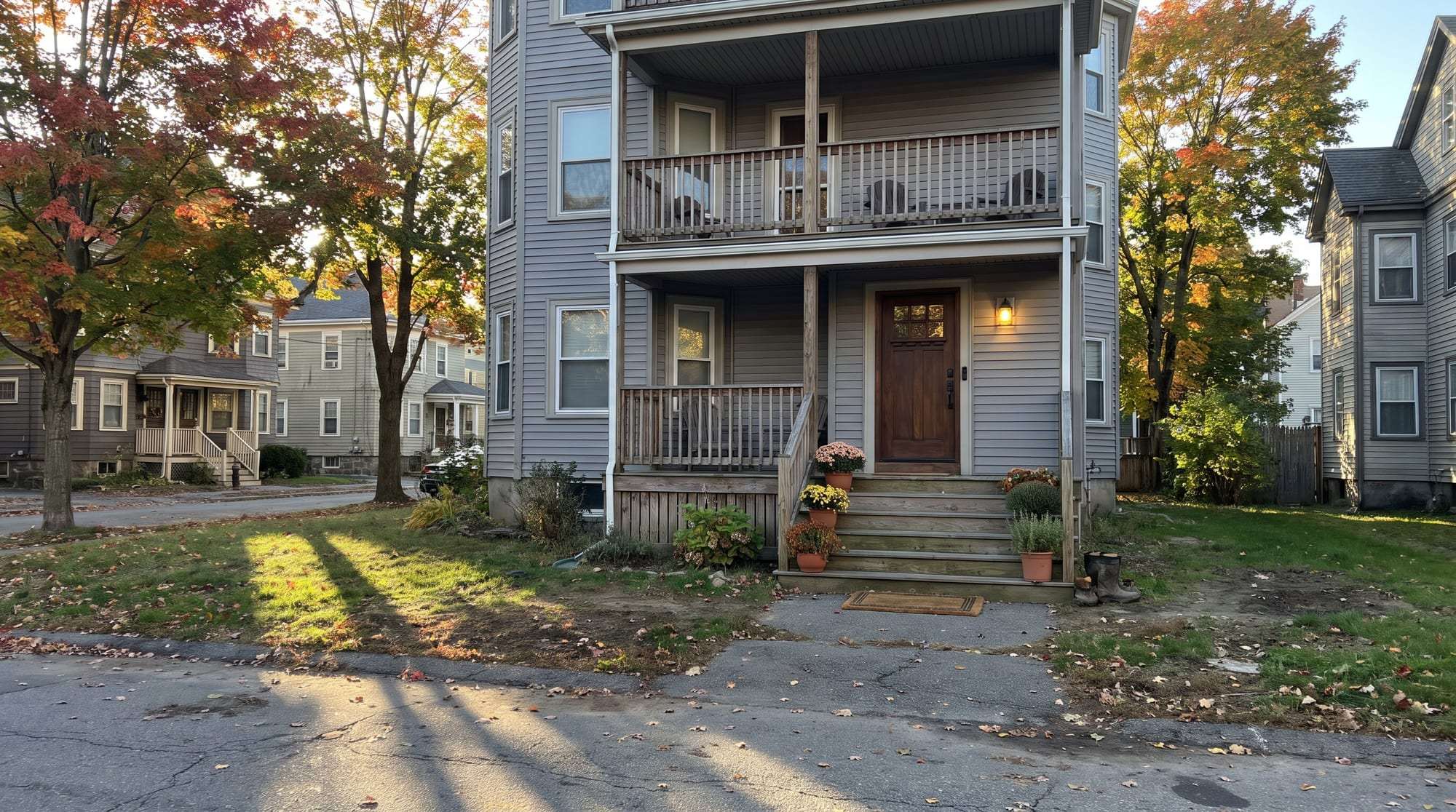
Autumn is the season to look the doors over. Start with the strike plate on the frame: if its screws are loose, or the plate has worn a groove where the bolt rubs, tighten or adjust it before the cold makes standing at an open door a chore.
The screws that hold the strike on an outside door should reach through the jamb into the framing behind it, which usually takes screws about three inches long. The short screws many strikes come with go no deeper than the jamb itself, and longer ones that reach the framing are one of the simplest ways to make a door harder to kick in.
Storm doors come into their own in autumn, and their latches and closers take a beating in the wind. Check that the storm door latches on its own and that its closer holds it against a gust; one that slams or hangs open wears out its hinges and works their screws loose.
Back porches and side doors are easy to forget. Over the summer they are opened and left open, and by autumn the habit of locking them has slipped. In a house with porches on every floor, each porch door needs the same attention as the front door, and so does a side door with a knob lock and no deadbolt.
Finish with the locks themselves. A little dry graphite or a lubricant made for locks in each outdoor keyway, worked in with the key a few times, sends the cylinder into winter clean and turning smoothly. If a key already turns roughly in the fall, it will not get easier in the cold.
When the Weather Gets into a Lock
A lock that stays stiff after a thaw, or a bolt that binds every summer, is worth a call. Say which door it is and when the trouble started, or describe it through Get an Estimate.