
Lock Repair and Replacement in Boston
When a lock sticks, wobbles or stops latching, the first question is whether it can be put right or has to be replaced.
Signs a Lock Is Wearing Out
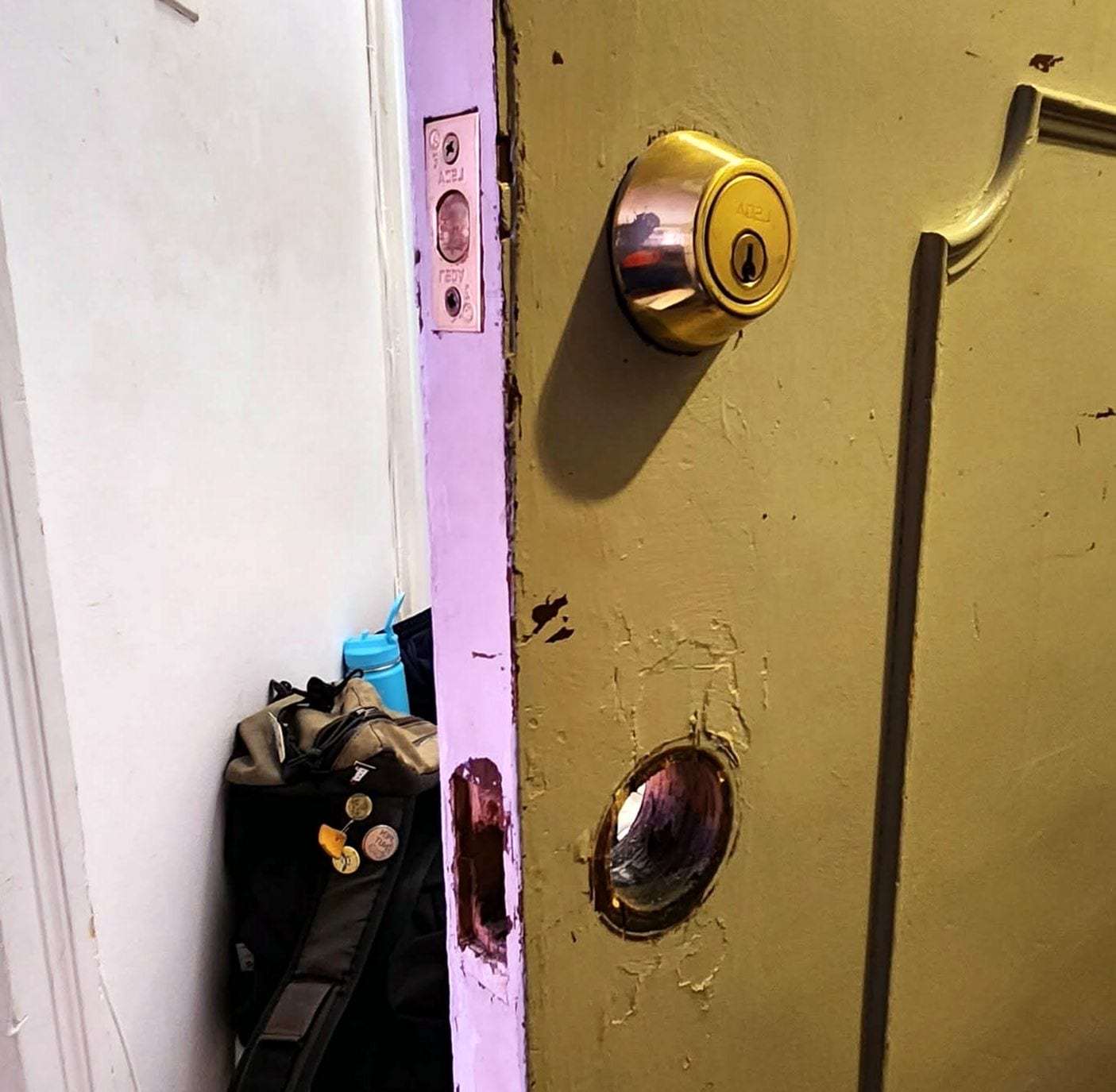
Locks seldom fail all at once. They give warning for weeks or months, and the warning is easy to live with until the morning the key will not turn at all. Any of these is reason enough to have a lock looked at:
- The key sticks, is hard to turn, or has to be jiggled before the bolt moves.
- The handle or knob is loose and wobbles on the door.
- The door will not latch, or the deadbolt will not slide all the way into the frame.
- The lock was damaged in a break-in attempt, with pry marks, a bent bolt or a cylinder that spins.
- The hardware is worn or rusted: the finish rubbed through, the bolt rough to move.
Old hardware wears out in the end. The springs in a knob tire until the handle droops and the latch hesitates, and a deadbolt turned twice a day for decades grows loose and gritty. At that point a new deadbolt or knob is the lasting fix, not another adjustment.
A door that never had a deadbolt is a different job: a new deadbolt fitted where there was none before.
Deciding Between Repair and Replacement
A lock is a handful of parts: the cylinder the key turns, the bolt or latch it moves, the springs inside the handle, and the strike plate on the frame that receives the bolt. Trouble in one of them does not mean the whole lock is finished. Dirt in the cylinder, a loose screw or a strike plate out of line can be put right where it is. A worn-out mechanism, a cracked housing or a cylinder damaged by force is better replaced, because a patched lock that fails again does so at a worse moment.
Repair keeps hardware that already fits the door and matches the rest of the house. Replacement brings a fresh mechanism and the chance to choose a stronger lock, and it is the only sensible answer once parts for the old one are no longer made.
| What you notice | Usually repairable | Usually needs replacing | What to check first |
|---|---|---|---|
| Key sticks or is hard to turn | Dirt or dryness in the cylinder, a worn copy of the key, or a strike plate that rubs the bolt | Pins worn down by years of use, or a cylinder damaged by forcing | Turn the key with the door open: if it turns easily, the door or the strike plate is the cause |
| Key turns but the bolt stays put | A loose connecting bar or a set screw that has slipped | A broken cam or a mechanism worn through | Try the thumb turn inside: if it moves the bolt, the fault is in the outside cylinder |
| Loose or wobbly handle | Mounting screws that have backed out | Stripped screw posts, broken springs or a cracked housing | Tighten the screws and see whether the handle stays firm for more than a few days |
| Door will not latch | A strike plate out of line, or a latch that needs adjusting | A latch that no longer springs out on its own | Open the door and watch whether the latch pops fully out when the handle is let go |
| Key broken off in the lock | The lock itself, once the broken piece is drawn out | A cylinder scored or bent by digging at the piece | Leave it alone: pushing or prying drives the piece deeper |
| Damage after a break-in attempt | A bent or loosened strike plate | A drilled, pulled or spinning cylinder, or a bent bolt | Look at the frame around the strike plate for splits as well |
| Worn or rusted hardware | Surface rust and a dry mechanism that clean up well | Rust inside the lock, or parts worn loose | Work the bolt and the latch by hand: rough or sticky movement means wear inside |
Keys that will not go in at all and keys gone missing are other signs of lock trouble, each with its own likely cause and urgency.
Looking at the Door, the Frame and the Lock
A sticking deadbolt is often a door that has shifted, and a new lock will not fix that. Hinges loosen, screws pull out of soft wood, and a door slowly drops on its latch side until the bolt meets the edge of the strike plate instead of its opening. The key fights the bolt, it feels exactly like a failing lock, and a new lock fitted to that door sticks just like the old one.
Older Boston doors and frames make this more likely, because wood moves with the seasons. Wood swells in the damp of summer and shrinks back in dry winter heat, so a deadbolt that turns easily in one season can bind in the next.
That is why we look at the door, the frame and the lock together before anything is replaced. When the door is the cause, the fix is usually at the hinges or the strike plate rather than in a new lock. When the lock itself is worn or broken, it is repaired or replaced, and even a new one works properly only on a door that closes true.
Telling a Lock Problem from a Door Problem
How do I know the lock, not the door, is the problem?
Open the door and work the lock with nothing in its way: turn the key from outside and the thumb turn from inside, and watch the bolt slide out and back. If it moves smoothly with the door open but sticks once the door is shut, the lock is doing its job and the door or the strike plate is out of line.
If the key feels stiff or gritty even with the door open, the trouble is inside the lock. A deadbolt that only locks when you lift, push or pull on the door is the clearest sign of a door that has shifted, and every forced turn wears the bolt a little more.
Should I put oil in a lock that sticks?
Household oil is better kept out of locks: it holds dust and gums up the pins over time. A dry lubricant made for locks, such as powdered graphite, is the usual choice, and a lock that still sticks after that is either worn or fighting a door out of line.
Panic Bars and Exit Devices for Businesses
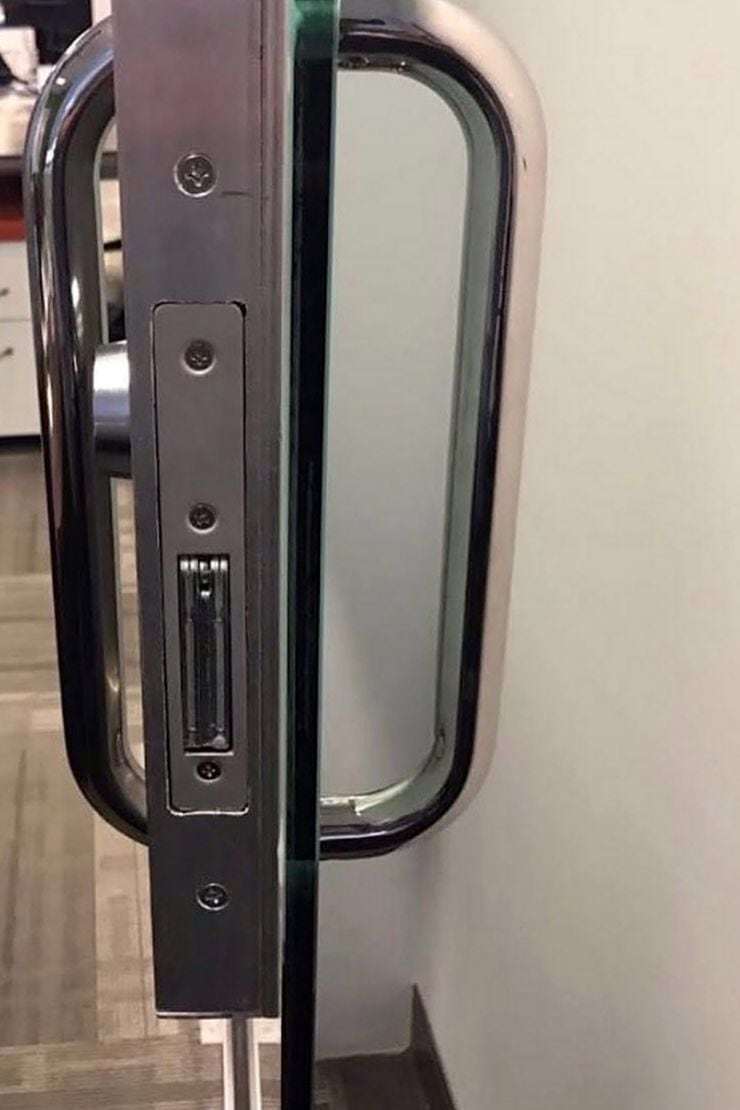
A panic bar, or exit device, is the push bar across a door that lets anyone inside open it with one push, with no key or knob to find. It belongs on exit doors that many people use, and it takes a beating there from carts, deliveries and doors shoved open with full hands.
Exit devices tend to fail in a few recognizable ways. The latch stops catching, so the door drifts open after it closes. The bar needs a hard shove before it releases. On a tall door with rods running to the top and bottom, a bent or slipped rod leaves one latch missing its strike. The outside key or lever stops working, or a bar held down for daytime use will not latch again at closing.
Panic bar and exit device repair is part of the commercial lock work we take on. Until a faulty device is fixed, never chain, padlock or block the door to keep it shut: an exit door has to open with one push from inside, every time.
A door closer that no longer pulls the door all the way shut can look exactly like a latch that will not catch, so it is worth a glance before the bar is blamed.
What Replacing a Worn Lock Involves
A replacement lock has to fit the door it goes on. On a newer door, with its holes cut to the usual sizes, a new deadbolt or knob usually goes in without any drilling.
Older doors are another matter. Many were built for mortise locks, with the lock body set into a deep pocket in the edge of the door, and a modern knob leaves that pocket and the old keyhole to cover. Sometimes a wide plate hides the old marks neatly; sometimes a new mortise lock is the better fit, and the door keeps its original look.
A new lock also raises the question of keys. If it should open with the same key as the other doors, a rekey can bring the old and the new locks onto one key, as long as they take the same kind of key blank.
Before a Sticking Lock Gives Out
A lock that has started to stick, slip or wobble is usually a smaller job now than after it fails.